
Braintree, Massachusetts

Office Hours:

9:00 am - 6:00 pm

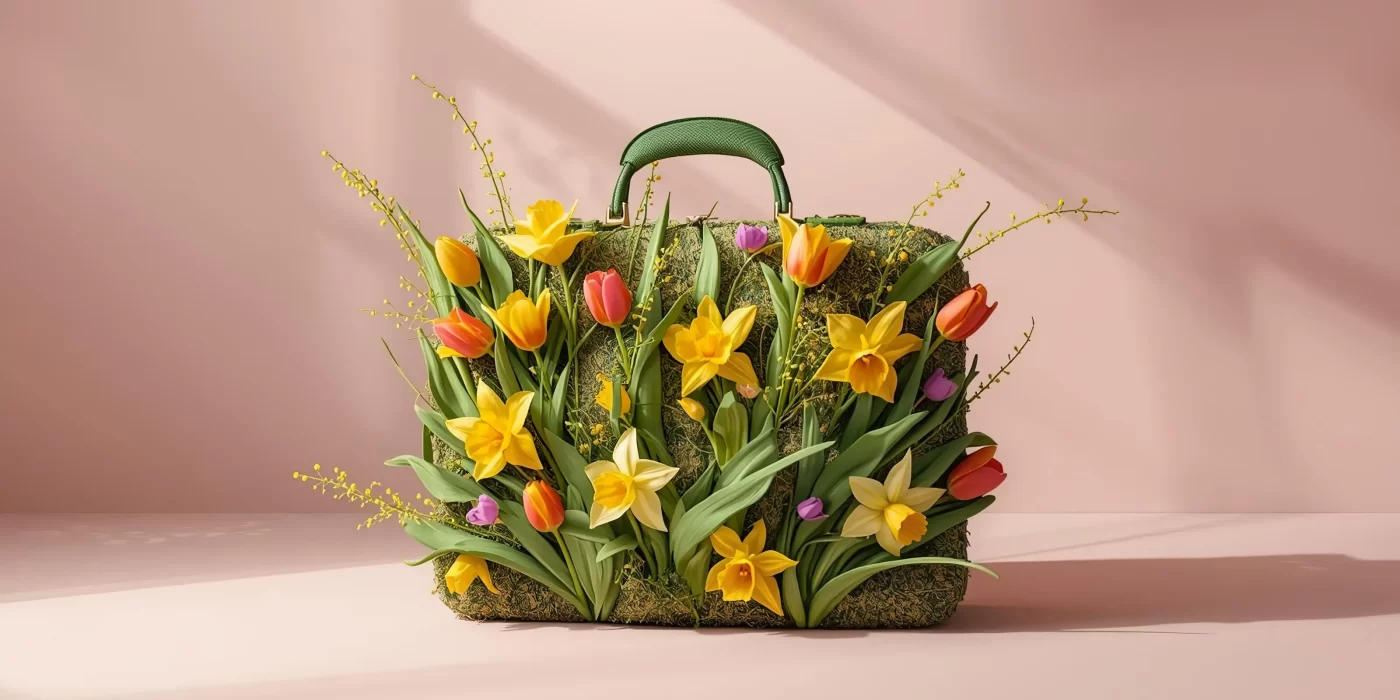
COLORFUL CHOICES alt

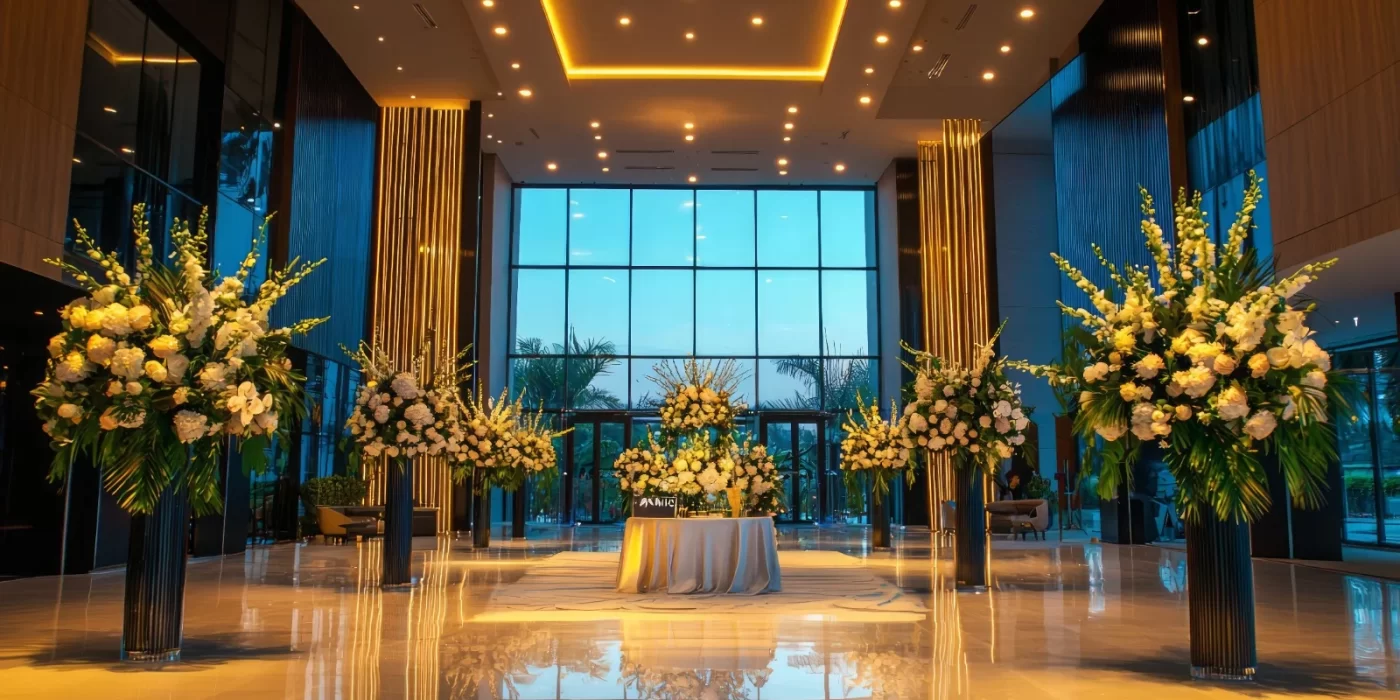
COLORFUL CHOICES: How to Choose the Right Colors for Your Event

One of the most exciting parts of planning an event is watching the vision take shape. Before the tables are set, before the flowers arrive, and before the first guest walks through the door, there is often one decision that quietly brings the entire event to life: the colors.

Color does more than make an event look beautiful. It helps create the mood, define the atmosphere, and shape the overall feeling guests experience the moment they enter the room. Soft colors can make a space feel romantic and intimate. Bold colors can make it feel lively and celebratory. Deep, rich tones can create an elegant, dramatic effect. Even when guests do not consciously think about the color palette, they feel its impact.

That is why choosing the right colors for your event matters so much. It is not simply about picking shades you like. It is about creating a visual story that supports the purpose, tone, and personality of the event you are planning.

Start with the Feeling You Want to Create

Before choosing a single color, ask one simple question: How do I want this event to feel?

Do you want the event to feel elegant and timeless? Warm and intimate? Fun and playful? Romantic and soft? Clean and modern? Luxurious and dramatic?

Color should support the event’s emotional tone, not just its appearance. A baby shower may call for soft, joyful, and welcoming colors. A retirement celebration may feel warm, polished, and meaningful. A corporate event may need colors that feel professional, refined, and aligned with the company’s brand. A wedding may lean toward romance, softness, or timeless sophistication, depending on the couple’s vision.

When you begin with the feeling rather than the color itself, the palette becomes much easier to build.

Should You Choose the Venue First or the Colors First?

This is one of the most common planning questions, and the answer depends on how strong your vision already is.

If you have a very specific color palette in mind, it may make sense to choose your colors first, then look for a venue that complements them. For example, if you are dreaming of a soft blush, ivory, and champagne wedding, a venue with warm neutrals and natural light can beautifully support that vision. If you want bold jewel tones and dramatic elegance, you may prefer a venue that feels rich and elevated rather than airy and minimal.

On the other hand, if the venue itself has a strong personality, it is often wiser to choose the venue first. Some spaces already come with built-in design elements that will influence your palette, such as wall colors, carpet, lighting, wood tones, chandeliers, exposed brick, or dramatic drapery. Fighting against the venue’s existing look can make decorating harder and more expensive. Working with it often creates a much more cohesive result.

Keep the Palette Simple

One of the biggest mistakes people make when choosing event colors is using too many.

A strong event palette usually does not need six or seven competing colors. In most cases, the most polished events are built around a simple, balanced combination, such as:

  • one main color
  • one supporting color
  • one accent, metallic, or neutral

This creates enough variety to keep the design interesting without making the event feel visually overwhelming. Neutrals such as white, ivory, cream, champagne, taupe, black, or soft gray can also serve as grounding colors, allowing your main palette to stand out without competing.

Sometimes, greenery, natural wood, or metallic details can also be part of the palette, adding texture and richness without introducing unnecessary clutter.

Let the Season Guide You

The season can be a beautiful starting point for choosing event colors because it already provides a natural mood to work with.

Spring often pairs well with fresh, airy palettes such as blush, sage, lavender, pale blue, butter yellow, and soft peach. Summer allows for brighter, more energetic combinations like coral, turquoise, fuchsia, citrus tones, and tropical greens. Fall naturally lends itself to warmth and richness, with tones such as rust, terracotta, burgundy, mustard, deep green, and warm neutrals. Winter events often feel beautiful in jewel tones, crisp whites, deep navy, emerald, plum, black, silver, or gold.

That does not mean you must follow seasonal colors exactly, but it can be a helpful guide when you are unsure where to begin.

Think About the Type of Event

Not every event calls for the same visual energy. The color palette should suit the occasion.

A wedding may call for romance, elegance, softness, or timeless beauty. A milestone birthday may invite more personality, boldness, or glamour. A corporate event may need a palette that feels polished, brand-aligned, and professional. A repast or memorial gathering may call for calm, understated tones that feel respectful, comforting, and dignified.

Color need not be loud to be impactful. Sometimes the most meaningful events are those where the palette quietly supports the atmosphere rather than trying to dominate it.

Consider More Than Just Decor

When people think about event colors, they often focus only on balloons, florals, or table linens. But a successful palette should work across the entire event experience.

Think about how your colors will appear in:

  • Invitations and Signage
  • Table Settings and Linens
  • Florals and Centerpieces
  • Attire Or Accessories
  • Lighting
  • Cake Or Dessert Displays
  • Lounge Furniture Or Draping
  • Branded Materials For Corporate Events

The more thoughtfully the palette is carried throughout the event, the more cohesive and elevated the final result will feel.

Common Color Mistakes to Avoid

Even beautiful colors can create problems if they are not used intentionally.

One common mistake is choosing colors without considering the venue. Another is selecting shades that look great online but look completely different under event lighting. Too many competing colors can make the event feel busy, while overly trendy palettes can date it quickly.

Another mistake is forgetting about balance. Bold colors often work best when paired with neutrals or softer supporting tones. Metallics can add sophistication, but too much shine can be distracting. Dark colors can feel elegant and dramatic, but without the right lighting or contrast, they can make a room feel heavy.

The goal is not just to pick beautiful colors. It is to create harmony.

The Best Color Palette Is the One That Feels Like You

At the end of the day, your event colors should reflect your vision, taste, and the experience you want to create.

Trends can be helpful for inspiration, but they should not overrule what feels right for your event. If you love soft neutrals, that is enough. If you want rich jewel tones, that is enough. If you want a room filled with warm blush, ivory, and candlelight, or a celebration full of vibrant color and joyful energy, that is enough, too.

The most memorable events are not the ones that perfectly copy someone else’s vision. They are the ones that feel intentional, personal, and beautifully aligned with the people they celebrate.

Final Thoughts

Choosing the right colors for your event is about more than matching napkins and flowers. It is about creating a mood, shaping an atmosphere, and bringing your vision to life in a way that feels thoughtful and complete.

At Here2Serve, we believe event planning is about more than logistics. It is about helping people create experiences that feel meaningful from beginning to end. Color plays a powerful role in that experience.

So if you are planning an event and trying to decide where to begin, start with the feeling you want to create. Let that guide your palette, and let your palette help tell the story of your celebration.

Sometimes, the right colors do more than decorate a room.

They set the tone for the memories made inside it.

Event Planning Tips: Turn Your Event Vision Into Reality

THE JOY OF PLANNING: turning your event vision into reality

One of the most exciting parts of any celebration happens long before the first guest arrives. It begins with an idea, a vision, and the moment you start imagining what the event could become.

Whether you’re planning a wedding, birthday celebration, retirement party, graduation, baby shower, corporate gathering, or family reunion, the planning process is where dreams take shape. It is the stage where possibilities feel endless, creativity comes alive, and excitement builds.

While planning can bring challenges, it can also be one of the most enjoyable parts of the experience when approached with the right mindset.

Whether you’re navigating the complexities of event logistics or seeking professional event-planning tips to keep your vision on track, this guide will help you stay focused on what matters most.

Start Earlier Than You Think

One of the most common mistakes people make is waiting too long to start planning. The earlier you start, the more options you have.

Popular venues book months in advance, and vendors often have limited availability. Certain dates fill quickly, especially during wedding and graduation seasons and the holidays.

As a general guideline:

  • Small events (up to 50 guests): 2-4 months
  • Medium events (50-150 guests): 4-8 months
  • Large events (150+ guests): 6-12 months

Pro Tip: When booking vendors, ask for a “soft hold” date while you finalize your guest list. Most professional vendors appreciate clear communication and will respect a timeline, helping you avoid a rushed, stressful booking decision.

Starting early reduces stress and gives you the freedom to make thoughtful decisions rather than rushed ones.

Choosing the Right Venue

Choosing a venue is a pivotal decision that shapes your entire event, influencing everything from your budget and guest capacity to the overall aesthetic and flow.

When evaluating potential locations, consider the following key factors:

  • Alignment with your vision and theme
  • Capacity to comfortably accommodate your guest list
  • Total cost relative to your overall budget
  • Accessibility and convenience for attendees

Ultimately, the best venue is the one that most effectively balances your logistical needs with your creative goals.

Creating Your Theme and Color Palette

This is where planning becomes fun for many people. Your theme helps tell your event’s story. It sets the tone, influences décor choices, guides invitations, and creates a cohesive experience for guests.

When selecting colors, simplicity often works best.

Choose:

  • One primary color
  • One secondary color
  • One accent color

A well-coordinated color palette creates elegance without feeling overwhelming. Most importantly, choose something that reflects you. Trends come and go… Meaningful experiences last.

How Many Guests Should You Invite?

This question often surprises people; the number of guests you invite and the number who actually attend are usually different. While every event is different, many hosts experience attendance rates between 70% and 90%.

Factors that affect attendance include:

  • Time of year
  • Distance to travel
  • Day of the week
  • Type of event
  • How far in advance are invitations sent

This is why collecting RSVPs and planning with flexibility is so important.

To manage these fluctuations, it is often wise to budget for your maximum invited count rather than your estimated attendance. This ensures that if more people RSVP “yes” than expected, you are not scrambling to adjust your budget or venue capacity at the last minute. Additionally, using a digital spreadsheet or event management tool to track RSVPs in real time helps you spot trends as they emerge, enabling informed decisions about catering, seating, and supply needs well before the big day.

The Best Part of Planning

Ask ten people what they enjoy most about planning an event, and you’ll likely get ten different answers. For some, the thrill lies in the tangible, such as selecting the perfect centerpiece, touring a beautiful venue, or finalizing a cohesive color palette. Others find deep satisfaction in the art of logistics, curating a flawless menu, designing elegant invitations, or meticulously crafting an experience that flows effortlessly from start to finish.

Yet beneath these individual joys lies the true heartbeat of the planning process: anticipation. Planning is far more than a checklist; it is the quiet, powerful work of imagining the future. It is the ability to envision a room filled with laughter before a single guest arrives, to hear the hum of conversation before the doors open, and to look forward to the memories yet to be made.

This phase is when you get to dream. You are laying the foundation for a significant moment, weaving together the details that will create a lifetime of reflection. By embracing this anticipation, you transform preparation from a burden into a celebration in itself, allowing you to savor the event’s magic long before the official start time.

The Hardest Part of Planning

While the joy of vision-casting is the heartbeat of event planning, the most challenging phase is managing expectations as your plans become reality. It is natural for the scope of your vision to encounter friction, whether it’s the strict limitations of a budget, the complexities of coordinating competing schedules, or the influx of opinions from various stakeholders. Unexpected hurdles are an inevitable part of the process, and the event that unfolds may diverge from the polished version you initially imagined.

Think of your event as a production. Even the best Broadway shows have a director, a stage manager, and a crew to handle the unseen work. When you try to be the host, the stage manager, and the caterer, the “hardest part” becomes overwhelming. Professional event staffing is not about losing control; it is about delegating logistics so you can step into your role as the host with confidence.

However, it is crucial to recognize that this divergence does not signify failure; rather, it is a normal part of the journey. The pursuit of perfection can distract from the true purpose of a gathering. At the end of the day, guests rarely remember whether every centerpiece was perfectly aligned or whether the schedule shifted by 10 minutes. What they carry with them is the day’s emotional impact, a sense of connection, the warmth of hospitality, and the genuine joy shared in that space. By shifting your focus from architectural perfection to creating a deeply meaningful experience, you release the unnecessary pressure that often steals the joy from planning, allowing you to prioritize the connections that make an event truly unforgettable.

If managing these expectations feels overwhelming, consider partnering with a professional event staffing company like Here2Serve. Outsourcing logistics to experts lets you refocus and ensures your vision is supported by professional event staff.

Don't Lose the Joy

In the whirlwind of managing guest lists, balancing budgets, and meeting strict deadlines, it is all too easy to lose sight of the inspiration that sparked your journey. Many hosts become so consumed by the sheer volume of logistical decisions that they stop enjoying the very process they once looked forward to. However, to truly honor your vision, it is essential to pause occasionally and reconnect with the heart of your celebration.

Savoring the planning process means more than checking items off a list; it involves celebrating small milestones and finding genuine joy in the creative choices you make along the way. Whether it is the excitement of finalizing a menu or the simple pleasure of seeing your color palette come to life, these moments of anticipation build the emotional foundation of your event. By viewing every decision as an opportunity for creativity, you transform preparation into an enriching experience rather than a series of chores.

Remember, you don’t have to shoulder the logistical burden alone. Partnering with a professional event management and hospitality staffing team can ease the pressure, ensuring your vision is brought to life seamlessly while you remain the host of your own celebration.

Ultimately, it is important to remember that planning is not merely a hurdle to overcome before the big day; it is an integral part of the celebration. When you approach the journey with intention and enthusiasm, the memories you create along the way become just as meaningful as the event itself. By protecting your joy throughout the process, you ensure that the spirit of your celebration remains vibrant from the first idea to the final guest’s departure.

If you find yourself spending more time managing logistics than engaging with your guests, it is a sign that your support structure needs to change. Partnering with a team like Here2Serve lets you step back from the “doing” and step into the “experiencing.” We handle the flow, setup, and cleanup, so your vision remains intact while you enjoy the celebration you worked so hard to create.

Final Thoughts

Every memorable event begins with a single, clear vision. Through deliberate planning, that initial concept gradually becomes a tangible reality. While the process requires navigating many decisions, challenges, and intricate details, it is equally defined by the excitement, creativity, and anticipation that build up to the big day. 

At Here2Serve, we firmly believe the planning process should be as meaningful as the event itself. When you approach this journey with genuine intention and enthusiasm, planning ceases to be just another administrative task on a checklist; it becomes the first, foundational step of your celebration.

Event planning is a journey of creativity and resilience. By starting early, setting a clear vision, and knowing when to bring in professional support, you ensure that your event is not just a success but a memory you can truly cherish. At Here2Serve, we are committed to ensuring that every host gets to be a guest at their own event.

TAKING BACK WHAT WAS STOLEN FROM YOU: Understanding Event Trauma and Learning to Celebrate Again

When the Event Ends but the Pain Remains

Most people never talk about event trauma. In fact, many people do not even realize it exists. When we hear the word “trauma,” we often think of major life events, accidents, or significant losses. Rarely do we associate it with a wedding, a birthday, a graduation, a family gathering, or another important celebration. Yet for many people, a painful event leaves behind emotional wounds that linger far longer than the event itself.

Event trauma occurs when a moment that was supposed to bring joy, connection, or celebration becomes overshadowed by disappointment, stress, conflict, or chaos. It happens when you invest your time, your energy, your money, and your heart into something meaningful, only to watch everything unravel in ways you never expected. The event may end, but the emotions often remain.

When Everything That Could Go Wrong Goes Wrong

Sometimes the pain comes from circumstances that were beyond anyone’s control. Other times, it comes from people. The people who promised they would help but never showed up. The people who said they would be there for you but disappeared when you needed them most. The people you trusted with important responsibilities who failed to follow through.

When that happens, the disappointment can cut much deeper than the event itself because it is not just about what went wrong. It is about who let you down.

What makes these situations so painful is that you often spend months planning and preparing. You imagine how the day will unfold. You envision the memories that will be created. You look forward to celebrating with the people who matter most. Then suddenly, instead of enjoying the moment, you find yourself managing problems, putting out fires, and carrying responsibilities that should never have been yours alone.

The Hidden Cost of Event Trauma

Most people focus on what went wrong. Few people talk about what was lost.

Sometimes what gets stolen is not money, but joy, trust, confidence, and excitement. It is the ability to look forward to future celebrations without immediately remembering the pain of the last one.

The event becomes attached to feelings of frustration, sadness, embarrassment, or regret. Before long, you find yourself avoiding opportunities that once brought you happiness. Instead of looking forward to future milestones, you begin dreading them.

For some people, the impact lasts for years.

Acknowledging the Hurt

The truth is that healing begins when we acknowledge what happened rather than pretend it did not affect us.

Too often, people try to push their feelings aside. They tell themselves to move on, stop thinking about it, or simply get over it. But real healing rarely works that way. You cannot release pain that you refuse to confront.

Sometimes healing requires sitting with the disappointment and honestly identifying what hurt. Maybe it was the lack of support. Maybe it was the broken expectations. Maybe it was the realization that certain people could not be counted on when it mattered most.

Whatever the source, it deserves to be acknowledged. Not because we want to remain stuck there, but because healing begins with truth.

Learning to Let Go

Eventually, there comes a point where a decision must be made… Will this experience become a permanent wound or a lesson?

That does not mean excusing the people who disappointed you. It does not mean pretending the event was not painful. It simply means refusing to allow one difficult experience to control the rest of your life.

Sometimes moving forward requires support. It may require conversations with trusted friends, family members, mentors, or even professional counselors. There is no shame in seeking help when something has deeply affected you.

In many cases, forgiveness becomes part of the process. Not because people necessarily deserve it, but because your peace deserves it. The goal is not to erase the memory; the goal is to remove its power.

Taking Back What Was Stolen

One of the most courageous steps in the healing process is choosing to celebrate again. Not because the previous experience did not hurt, but because you refuse to allow that experience to define your future.

Maybe you start small, maybe your next gathering is simpler than the last, maybe you can lower the pressure and focus on what truly matters. The size of the event is not important; the willingness to try again is.

Each positive experience helps loosen the grip of the negative one. Each new memory creates room for healing. Each successful gathering reminds you that disappointment is not the only possible outcome.

Slowly, you begin reclaiming the joy that was taken from you.

The Lesson Beyond Events

The reality is that this lesson extends far beyond events; life itself contains disappointments, people will fail us, plans will change, and expectations will sometimes go unmet…If it was not the event, it might have been something else.

The goal is not to avoid pain altogether. The goal is to learn how to move through it, learn from it, and continue living fully despite it.

The challenges we face do not have to become permanent prisons. They can become teachers, they can strengthen us, shape us, and help us approach future experiences with greater wisdom and resilience.

A Final Thought

At Here2Serve, we have seen firsthand how much events matter to people. They are more than dates on a calendar. They represent milestones, memories, relationships, and moments that often cannot be recreated.

If you have experienced event trauma, know that your feelings are valid. The disappointment was real. The hurt was real, but so is healing, growth is real, and so is the possibility of creating new memories filled with joy rather than regret.

Do not allow one painful experience to steal your willingness to celebrate, connect, gather, and create meaningful moments.

Take the lesson, keep the wisdom, release the pain, and when you are ready, celebrate again, because what was stolen from you was never meant to be lost forever.

Customer Experience Blog Image

Why Customer Experience Defines the Success of Service Businesses

When people think about successful service businesses, they often notice the final result, the delivered work, or the efficiency of execution. What is not always visible is something far more influential: the experience that surrounds the service.

In reality, most service providers can deliver something that is “good enough.” What separates strong businesses from the rest is not just what they deliver, but how people feel throughout the entire journey.

At Here2Serve, we believe customer experience is not an added layer of service. It is the service.

The Experience Clients See Is Only the Surface

When a service feels smooth, professional, and effortless, it is rarely accidental. What clients experience is only the visible outcome of something much deeper happening behind the scenes.

Communication, coordination, timing, awareness, and consistency all work together to shape how a service feels. These elements are not always noticed individually, but together they define the entire experience.

Even small interactions, a response, a delay, a tone of communication, or a moment of clarity, contribute to how a client perceives the business as a whole.

Service Quality Alone Is No Longer Enough

There was a time when completing a service correctly was enough to satisfy clients. That expectation has changed.

Today, clients evaluate not only the outcome but the entire experience around it.

Two businesses can deliver the same result, but the way that result is achieved often determines how it is remembered. Communication, responsiveness, professionalism, and consistency often leave a stronger impression than the final deliverable itself.

Even when the work is technically correct, a disconnected or unclear experience can reduce its perceived value. On the other hand, when service feels organized, thoughtful, and consistent, it naturally feels more reliable and meaningful.

The Entire Client Journey Shapes Perception

Customer experience is not defined by a single interaction. It is shaped throughout the full journey.

From the first point of contact, something subtle begins to take shape. Trust, hesitation, or confidence often forms before any formal agreement is made.

As the service progresses, each interaction reinforces that perception. Clear communication, structured coordination, and consistent updates create a sense of stability and confidence.

Even after the service is completed, how a business follows up or closes the loop leaves a lasting impression. The experience does not end at delivery; it lingers in memory.

When the entire journey feels intentional and consistent, trust becomes natural.

Trust Is Built Through Experience, Not Promises

Most service businesses can make strong promises. However, trust is not built through words. It is built through repeated experiences.

Clients remember how a team responds when situations become uncertain. They notice how clearly communication is maintained, how quickly issues are addressed, and how professionally challenges are handled.

Trust is formed in these moments, not in proposals or presentations.

A business that remains steady, responsive, and composed under pressure earns credibility far more effectively than one that only performs well when conditions are perfect.

Over time, these experiences create a reputation that no marketing message can replace.

People Define the Experience

In service businesses, experience is not delivered by systems alone. It is shaped by people.

Every interaction reflects communication style, attitude, awareness, and professionalism. These human elements determine how a client feels about the service far more than processes or tools.

A well-prepared and confident team can turn even a standard service into something that feels reliable and seamless.

At Here2Serve, training is not only task-focused. It focuses on understanding how actions, behavior, and communication directly influence the client experience.

When people feel supported and clear about their role, that confidence naturally shows in the quality of service they deliver.

Experience Is a Culture, Not a Department

Customer experience is often treated as something handled by a specific team. In reality, it reflects the entire culture of a business.

Every response, every interaction, every delay, and every decision contributes to how the business is perceived.

When consistency becomes part of daily behavior rather than an effort, experience improves naturally.

Strong service businesses are not built on isolated moments of excellence. They are built on consistent standards that are applied across every interaction.

Experience That Extends Beyond the Service

One of the most powerful outcomes of a strong customer experience is what happens after the service is finished.

Clients who feel understood, supported, and valued are far more likely to return. Even more importantly, they naturally become advocates for the experience, often sharing it with others without being asked.

This kind of growth is not manufactured or forced. It develops naturally when trust has been built through consistency and care.

The Here2Serve Perspective

At Here2Serve, customer experience is not treated as an outcome. It is treated as a standard.

Every interaction, from the first message to final delivery, is part of a larger experience that reflects professionalism, clarity, and consistency.

The focus is not only on completing work but on ensuring that every step of the process reinforces confidence and trust.

Final Thoughts

Customer experience is the foundation of sustainable growth in service businesses. It shapes trust, reputation, and long-term relationships more than almost any other factor.

It is not created in a single moment. It is built gradually through consistency, communication, and care in every interaction.

At Here2Serve, every client journey is treated as an opportunity to deliver not just a service but a meaningful experience.

Behind every strong business is a pattern of experiences people remember, trust, and return to.

here2serve-event-staff-training

How Here2Serve Trains for Excellence

When people attend a successful event, they often notice the beautiful décor, the smiling guests, the seamless flow, and the memorable experience.

What they don’t always see is the preparation behind it; they don’t see the training, they don’t see the standards. They don’t see the commitment required to develop event staff who can represent a company, support a client, and contribute to a meaningful experience.

At Here2Serve, we believe excellence doesn’t happen by accident; it is developed.

Great Events Begin Long Before Guests Arrive

One of the biggest misconceptions about event staffing is that people simply show up, receive instructions, and start working. Professional event staffing requires much more than that.

Every event environment is different. Every client has unique expectations. Every guest interaction has the potential to shape the overall experience, which is why preparation matters.

Whether someone is serving guests, assisting with setup, greeting attendees, supporting an event coordinator, or helping an event run smoothly behind the scenes, they represent more than themselves. They represent the company’s standards and the experience it delivers.

At Here2Serve, we understand that responsibility.

Training Is More Than Learning Tasks

Many people think training is simply learning how to do a job, but we see it differently; training is about developing awareness. It is about learning to communicate professionally, staying composed under pressure, anticipating needs before they become problems, and contributing positively to a team environment. 

It is understood that hospitality is more than service; it is about people. The ability to make guests feel welcome, respected, comfortable, and cared for often has a greater impact than completing any single task. That level of professionalism requires ongoing development.

Continuous Growth Is Part of Our Culture

At Here2Serve, training is not viewed as a one-time event; growth is an ongoing process.

As our company continues to evolve, we continually seek ways to strengthen our team through education, coaching, mentoring, practical experience, and real-world learning opportunities.

The goal is, of course, to fill positions, but also to help individuals grow into confident, dependable, and professional event staff who can serve with excellence across a variety of environments.

We genuinely enjoy watching people develop new skills, build confidence, and discover strengths they may not have realized they possessed. For us, that growth is one of the most rewarding parts of the journey.

Building More Than Event Staff

At Here2Serve, we are developing event professionals and cultivating qualities that extend beyond events themselves. Qualities such as professionalism, dependability, communication, leadership, teamwork, attention to detail, and integrity are skills that serve people in every area of life and work.

The lessons learned through hospitality and event staffing often become transferable skills that help individuals grow personally and professionally long after an event concludes.

The Here2Serve Standard

We understand that clients place great trust in the people who represent our company. That trust is earned through preparation, professionalism, and consistency.

For that reason, we remain committed to upholding standards that reflect the level of excellence we strive to deliver.

Our training philosophy is simple:

Never stop learning.
Never stop growing.
Never stop improving.

Every event deserves professionals who are prepared, capable, and committed to delivering a positive experience.

Final Thoughts

Excellence is a commitment… At Here2Serve, we believe great event staff is developed through training, experience, accountability, and a genuine desire to serve others well.

As we continue to grow, we remain committed to investing in our people, strengthening our standards, and creating opportunities for individuals to develop professionally while contributing to meaningful experiences.

Behind every successful event is a team that prepared long before guests arrived, and that preparation makes all the difference.

Here2Serve
Chatbot